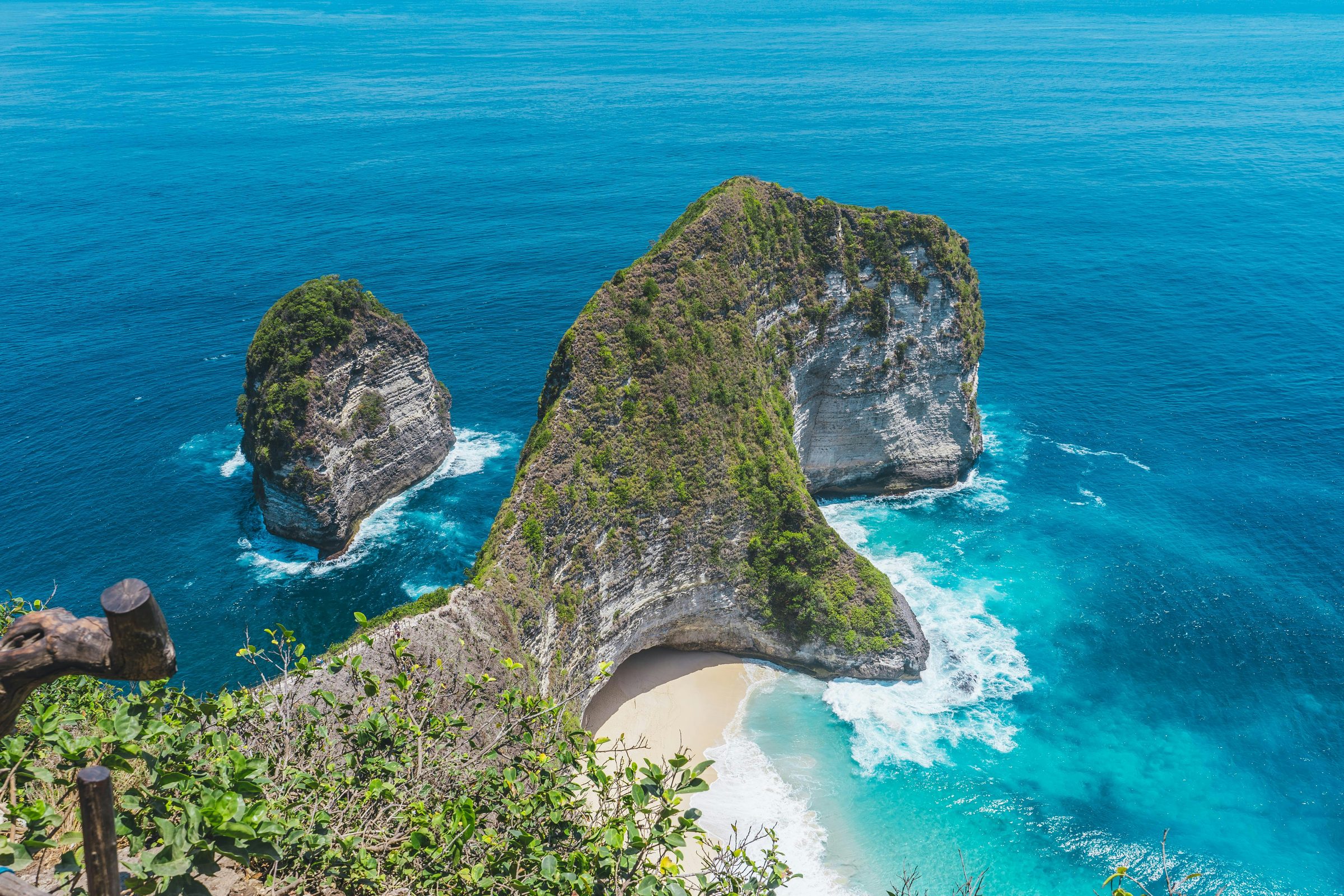
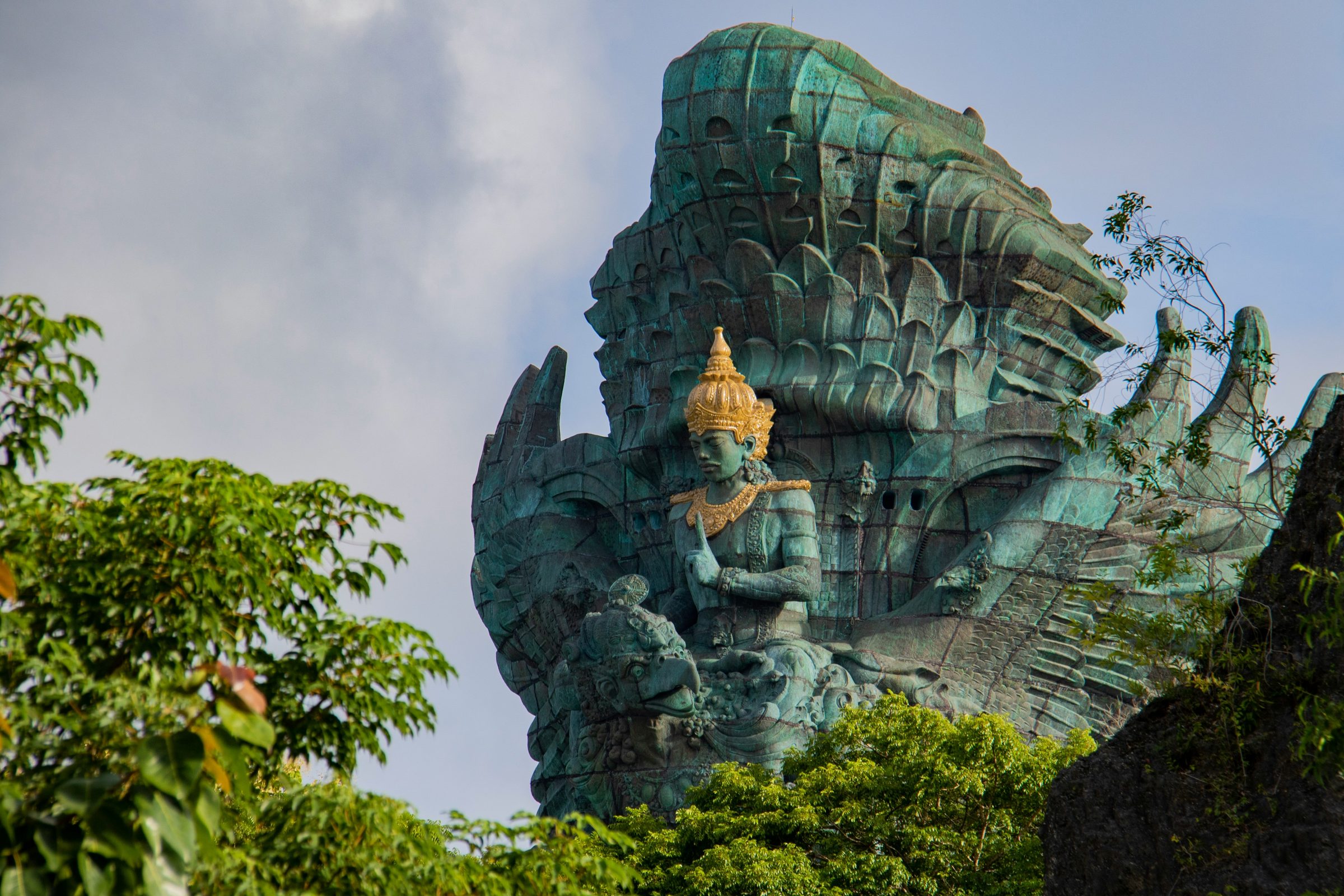
Southern Bali
Coastal areas, established tourism infrastructure, accessibility, and a broad range of accommodation and activities.

Bali brings together diverse landscapes, cultures, rhythms, and experiences within a relatively compact destination. Understanding how they connect helps shape better journeys.
Different parts of Bali offer different character. Journey quality depends on how locations are connected, when movement makes sense, and how much time is given to each part of the experience.
Local context also matters. Thoughtful destination planning leaves room for the way culture, landscape, communities, and everyday life shape a place.
These broad regional perspectives are a starting point for thinking about character, pace, access, and context — not a catalogue of attractions.
Coastal areas, established tourism infrastructure, accessibility, and a broad range of accommodation and activities.
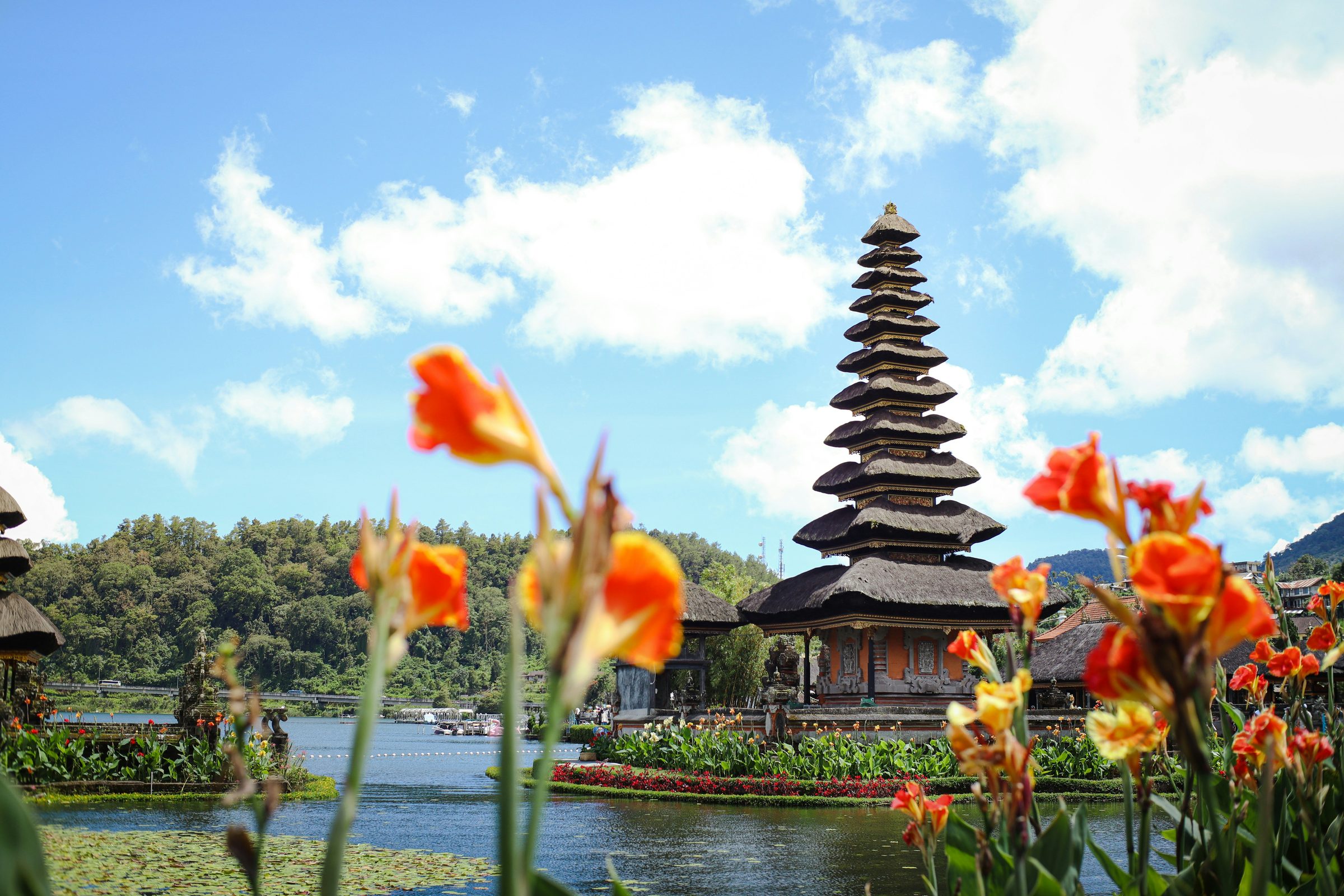
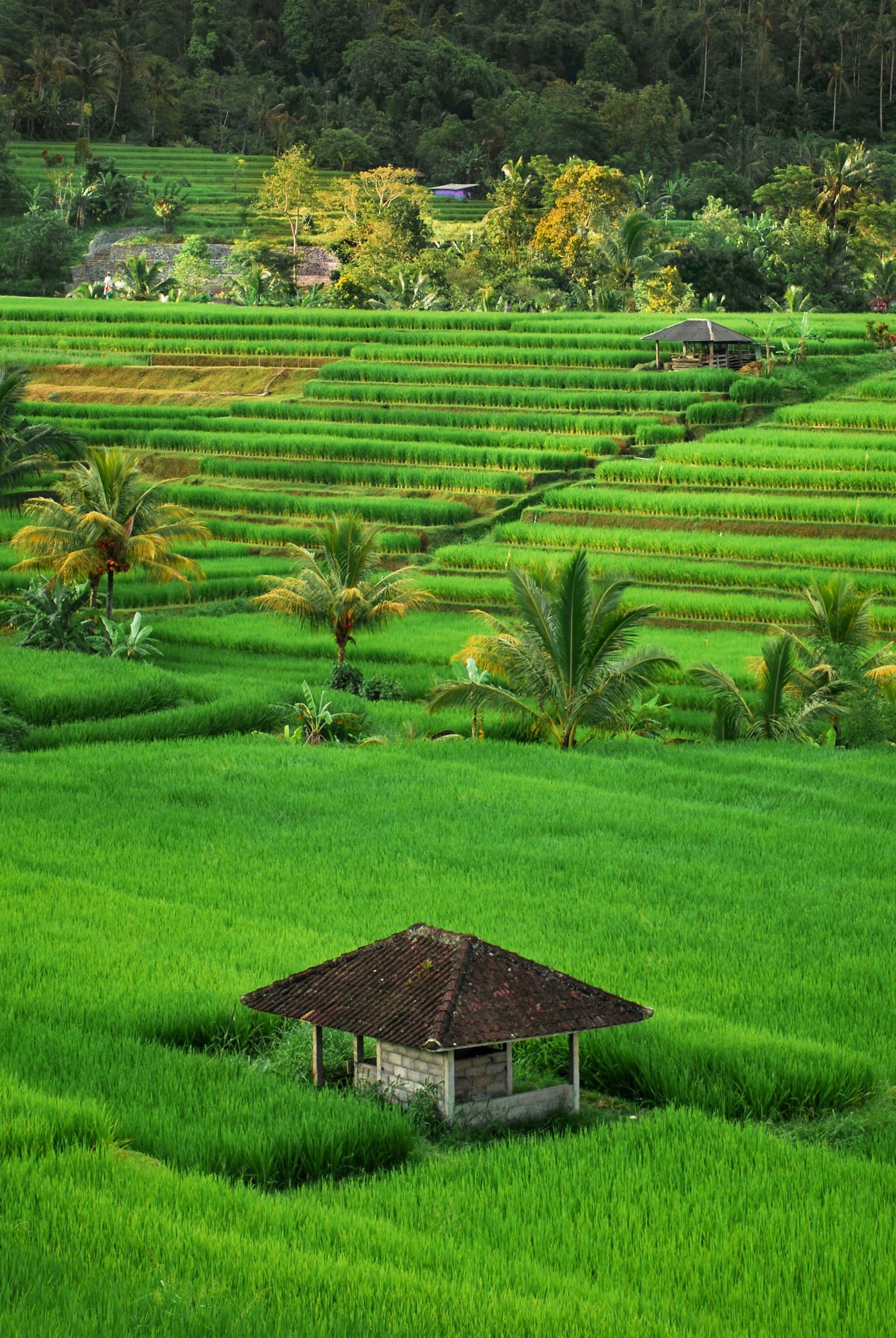
Inland landscapes, cultural atmosphere, rice terraces, and a different pace of travel.
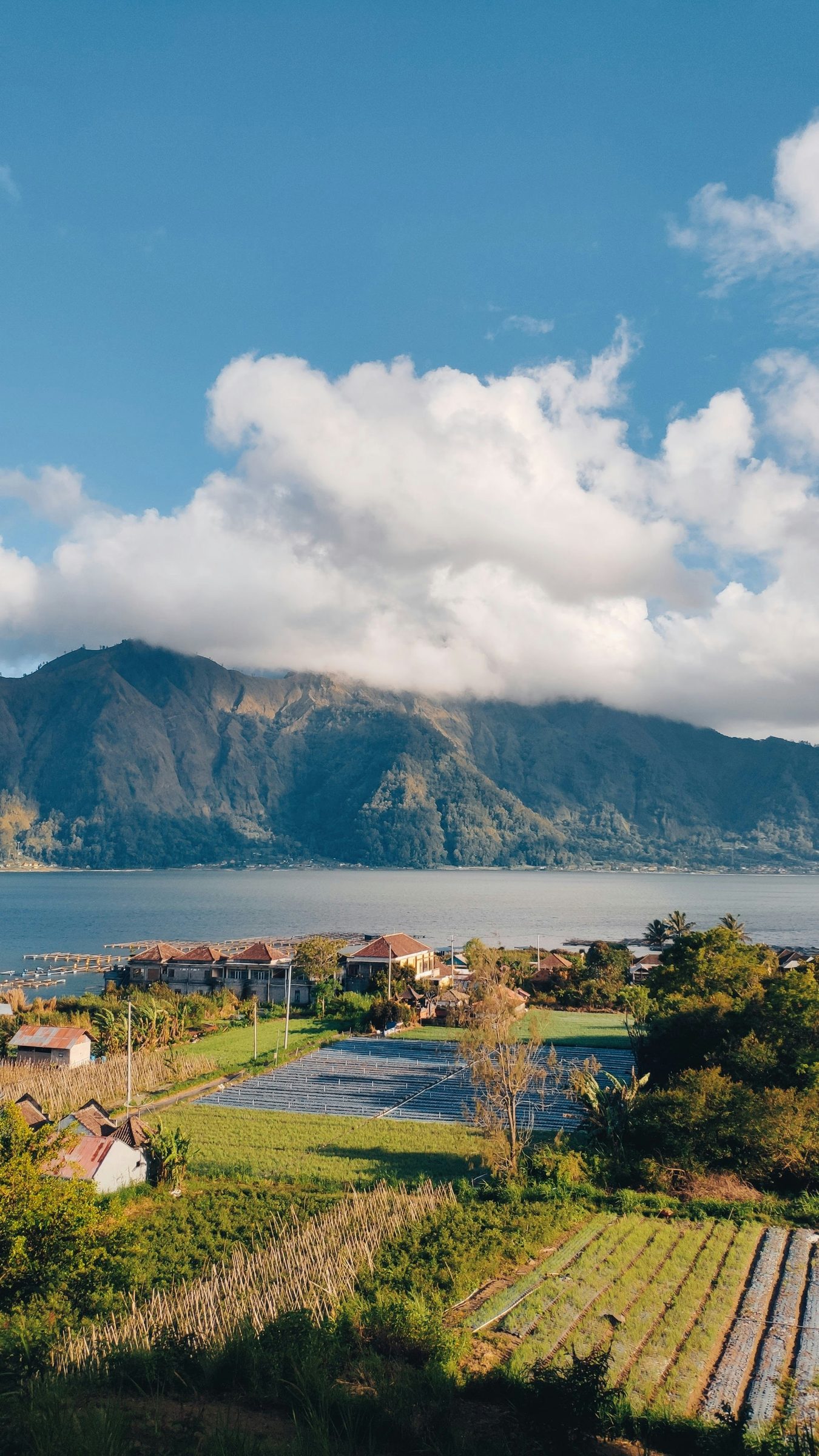
A quieter destination character with distinctive landscapes, coastline, and cultural experiences.
A more relaxed side of the island, with natural landscapes and a different rhythm from the south.
Less developed tourism areas and a stronger sense of distance, nature, and local environment.
Where places are in relation to each other.
When activities and movements make sense.
How much can realistically fit into a journey.
What matters to the traveler or group.
How transportation, accommodation, activities, and support connect.
Destination knowledge can inform the practical choices behind a journey, from itinerary planning and transportation to accommodation, activities, and on-ground support.